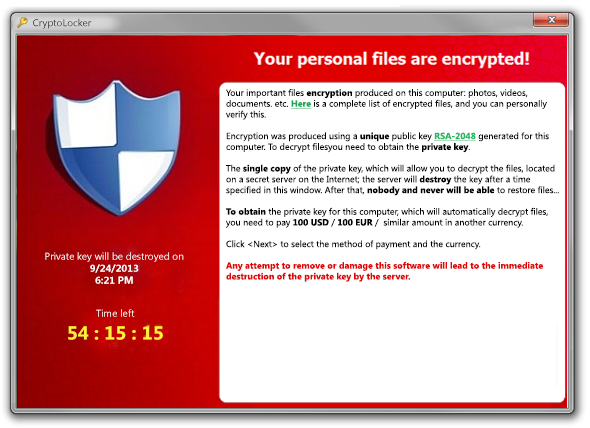
Back in 2013, CryptoLocker was terrifying enough. It didn’t sneak in to steal your passwords or spy on your browsing habits, no!, it marched straight in, slammed the door behind it, encrypted everything in sight, and flashed a blinking red ransom note demanding Bitcoin like a digital hostage negotiator with a countdown clock. It was bold, it was brutal, and it was the first time many people realized: your files could be locked up and leveraged against you with no Hollywood-style hacker, just a suspicious ZIP file in your inbox.
CryptoLocker didn’t need a flashy exploit or deep system knowledge. It weaponized trust disguised as invoices, delivery slips, or bank statements and lured users into opening attachments that detonated silently in the background. Once triggered, it encrypted documents, photos, spreadsheets, and anything else it could get its hands on, and then calmly asked for payment in Bitcoin, which, at the time, still sounded like something from a hacker movie.
But that was then, the opening act. What followed after my first article, was a decade-long escalation that turned ransomware from a nuisance